Community
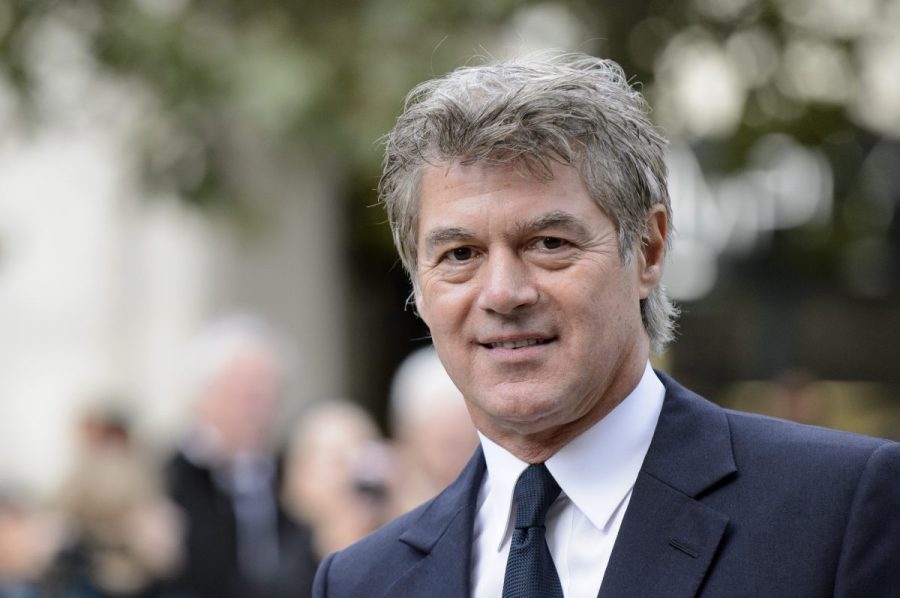
Celebrity stylist John Frieda dies at 75
By Mark Thompson
Advertisement · Why this ad?
Keisha Patel, a former athlete and graduate of the University of Chicago, has spent the last seven years covering local high school and college sports. Her passion for sports shines through her articles, encouraging community support for local teams.
More from Keisha →
As the sun began to rise over Chicago on Wednesday morning, the city's political landscape was already buzzing with the aftermath of the 2026 midterm elections. Residents turned on their TVs to catch the latest updates, and the WGN Morning News team was ready to deliver insights and analysis on what had just transpired. The energy in the studio was palpable as experts gathered to dissect the results—a night that saw a significant victory for Democrats, leaving Republicans to reevaluate their strategies.
The 2026 midterm elections marked a pivotal moment in American politics, with Democrats achieving notable success both in Illinois and nationwide. Voter turnout was impressive, with many citizens eager to express their opinions on critical issues ranging from healthcare to education. According to reports, the Democrats secured key congressional seats, while Republicans faced unexpected losses in traditionally strong districts.
In Illinois, the Democratic Party celebrated victories in several races, including the retention of the governorship and an increase in their representation in the state legislature. This shift indicates a growing trend among voters who are increasingly aligning with Democratic values, particularly in urban areas where issues like social justice and climate change resonate deeply.
Political analysts pointed out that the outcomes of these elections could reshape the political landscape for years to come. The results not only reflect the current sentiment among voters but also set the stage for future elections, making it essential for both parties to adapt accordingly. As the dust settled on election night, the implications of these results became clearer, and discussions about the future of the Republican Party began to surface.
The reactions from the community were as diverse as the city itself. Many Democrats took to social media to celebrate their victories, sharing stories of grassroots efforts and the hard work that led to their success. Local organizations and activists expressed their gratitude for the support they received from the community, emphasizing the importance of collective action in driving change.
On the other hand, Republicans in the area voiced their disappointment, with some expressing shock at the results. Local party leaders held meetings to assess what went wrong and how they could better connect with voters moving forward. Many emphasized the need to listen to constituents' concerns and adapt their messaging to resonate with a changing demographic.
Community leaders weighed in on the election's impact, highlighting the importance of unity and collaboration moving forward. “Regardless of party affiliation, we need to come together as a community,” said Maria Gonzalez, a local activist. “These elections showed us that our voices matter, and we must continue to advocate for the issues that affect our lives.”
The sentiment of hope and determination was echoed by many, as individuals from various backgrounds came together to discuss the future of their neighborhoods. Whether celebrating victories or strategizing for the next election cycle, the community remains committed to fostering dialogue and engagement.
In neighborhoods like Pilsen and Englewood, the election results sparked conversations about the future of local policies. Residents expressed a desire for increased investment in education and healthcare, areas that have historically been underfunded. “We need leaders who will prioritize the needs of our community,” said Carlos Ramirez, a resident of Pilsen. “This election was a chance for us to voice our concerns and demand better.”
Moreover, many community organizers are now focusing on voter education initiatives to ensure that all residents understand the implications of the election results. “It’s about more than just voting; it’s about knowing how these decisions affect our daily lives,” said Jasmine Lee, a community leader in Englewood. “We want to empower our neighbors to be informed and engaged.”
Looking ahead, the results of the 2026 midterm elections will undoubtedly influence the political landscape as we approach the next presidential election. Experts on WGN Morning News emphasized the need for both parties to recalibrate their strategies in order to remain relevant and connect with voters. For Democrats, the focus will likely shift towards maintaining momentum and addressing the issues that propelled them to victory.
On the Republican side, there is a pressing need to reassess their approach, especially in urban areas where they have struggled to gain traction. This may involve reevaluating their messaging and engaging more actively with communities that feel overlooked. The party's ability to adapt will be crucial in the face of shifting demographics and evolving voter priorities.
Political experts predict that the Republican Party may need to embrace a more inclusive platform to regain lost ground. This could mean addressing issues like immigration reform and economic inequality more directly, as these topics resonate with a broader audience. “If they want to win back urban voters, they must show they understand the challenges these communities face,” stated Dr. Emily Carter, a political scientist at the University of Chicago.
As Democrats prepare for the next round of elections, they are also aware of the need to maintain their coalition. The party must ensure that it addresses the diverse needs of its constituents, particularly in areas where economic disparities are still prevalent. “We need to keep the momentum going, but we also have to listen to the voices that helped us get here,” said State Senator Lisa Hernandez.
The 2026 midterm elections highlighted the importance of civic engagement and the power of individual voices. As residents reflect on the outcomes, many are inspired to become more involved in the political process. Local organizations are gearing up to offer workshops and forums, encouraging citizens to educate themselves on the issues and participate in future elections.
“We want to empower our community to take action,” said James Thompson, a community organizer. “It’s not just about voting; it’s about understanding the issues and advocating for change.” Initiatives aimed at increasing voter registration and participation are already in the works, ensuring that the momentum from this election carries into the next.
As Chicagoans move forward, the focus will be on building a stronger community through collaboration and understanding. The election results serve as a reminder of the power of collective action and the importance of staying informed. Residents are encouraged to engage in discussions, attend local meetings, and connect with their elected officials to ensure their voices are heard.
The road ahead may be challenging, but the spirit of resilience and commitment to community remains strong among Chicagoans. Together, they can navigate the complexities of the political landscape and work towards a brighter future for all. The involvement of local leaders, activists, and everyday citizens will be crucial in shaping policies that reflect the community's needs.
As the sun sets on the 2026 midterm elections, one thing is clear: the political landscape in Chicago and beyond is evolving. The victories for Democrats signal a shift in voter sentiment, while Republicans face the challenge of redefining their approach. Community engagement and active participation will be key in shaping the future, as residents come together to advocate for the issues that matter most. With a renewed sense of purpose, Chicagoans are ready to embrace the challenges ahead and continue their journey towards a more inclusive and representative democracy.
By Mark Thompson

By Mark Thompson
By Mark Thompson

By Mark Thompson